About

My whole career has been in businesses changing shape.

Every role I've had was in a business where something big had changed, and how the work got done hadn't caught up. My job each time was to redesign it around how the business made money, and to bring the people with it.

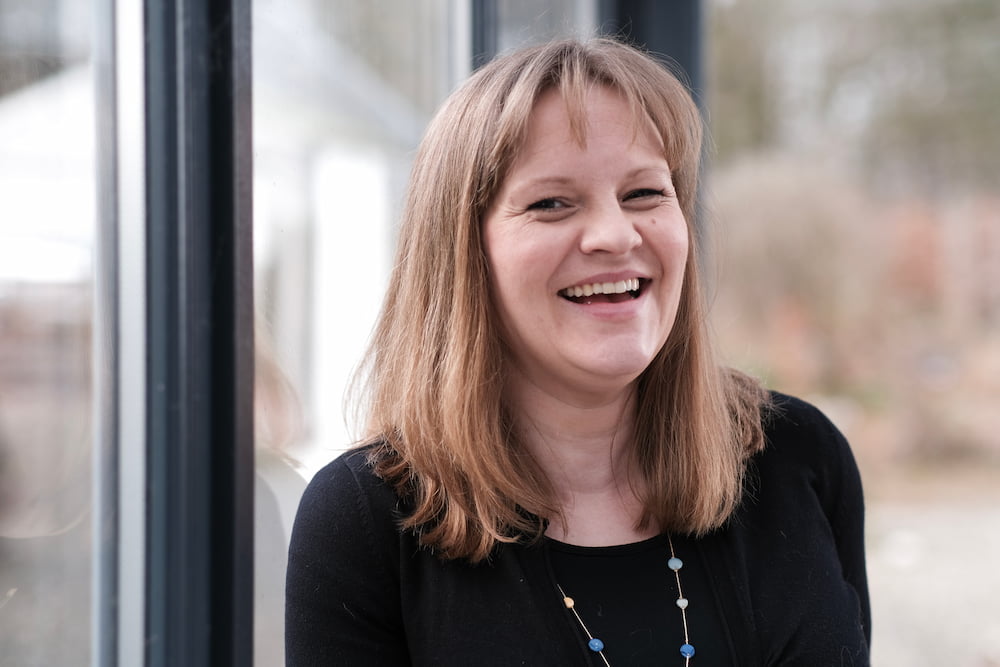
Rebecca Wilson

I started in consulting at CEB in London. My first proper role sat between the product teams and the account teams, two groups with the same goals and completely different views of what was happening. My job was to find better ways for them to work together. I kept finding money and efficiency in places nobody had thought to look, and won their Force of Ideas award doing it.

Then I was headhunted to a lead generation agency that had just taken outside investment. Three founders wanted to step back, and couldn't, because every decision still went through them. I got what was in their heads out to the teams so they could decide without them, then ran the UK business while the CEO expanded overseas. Profit grew month on month.
After that I joined GfK, the market research company, to take on a data and reporting division after a run of directors who hadn't done well. We got accurate data to clients two days earlier, in time to change what they did the following week, and they kept handing me more teams.

I came home to Scotland in 2018 and went out on my own, working with agencies, consultancies and specialist firms. For a while I leaned into building systems and automation. They worked, but what always made the difference was the people side: what they could see, whether they understood why, and whether they had the context to do a good job. That's what I lead with now.

Scotland landscape

Data in isolation are just numbers. Tools on their own are just objects. Solutions that aren't used are just recipes. It's their connection to people that makes them powerful.

Rebecca Wilson
Written in 2021
What I believe

The principles behind the work

✓ The whole game is people

Tools, data and processes only matter once people use them. Operations in a service business is people: how they pass work to each other, what they know and what they decide.

✓ Don't throw out what's already there

If something works, keep it and hone it. Change what needs changing, and only that.

✓ Build around how the business makes money

Every piece of work and every decision has a goal. Define it, and people can see which way they're heading.

✓ Keep it simple

It's easy to overengineer, and I've done it myself. Small changes, in the right order, each paying off on its own.

Read the full manifesto →

Rebecca Wilson at work
20+ Years in business operations
Client stories

Every business arrives at a different point

From hobby business to serious operation

Creative agency · Events & installations · 30-50 people

No visibility across project status. No standardised process. Everything manual, everything dependent on the owner. Problems hit late and hit big.

I started by working out what was really happening underneath what looked like the problem. Then I standardised the process, designed and embedded project management alongside bespoke tools, and built an automation layer connecting them. Reporting became a byproduct of doing the work.

The owner went from running a business that had outgrown him to running one he could choose to step back from. He spends his time on strategy and big clients now, not firefighting. He tried to hire me as his fractional COO.

Creative agency workspace

The magic spreadsheet

Creative marketing agency · Manufacturing sector · 6 people

The owner assumed his team was the problem: not productive enough, spending too long on things. He brought me in to analyse how the team spent their time.

Turns out the team was fine. The real leak was non-invoiceable work around clients: unqualified proposals, meetings that went nowhere, time servicing clients that weren't worth the revenue.

I barely changed anything. Their process was solid and their tools were fine. I pulled data from their existing systems and restructured it so the picture was visible: which clients were genuinely worth the revenue and which were costing more than they brought in. They called it the magic spreadsheet. Years later, they still use it.

Dashboard and data visualisation
See more stories

Two different businesses, two different starting points, and the same approach: start with the people, build around how the business makes money, and change only what needs changing.

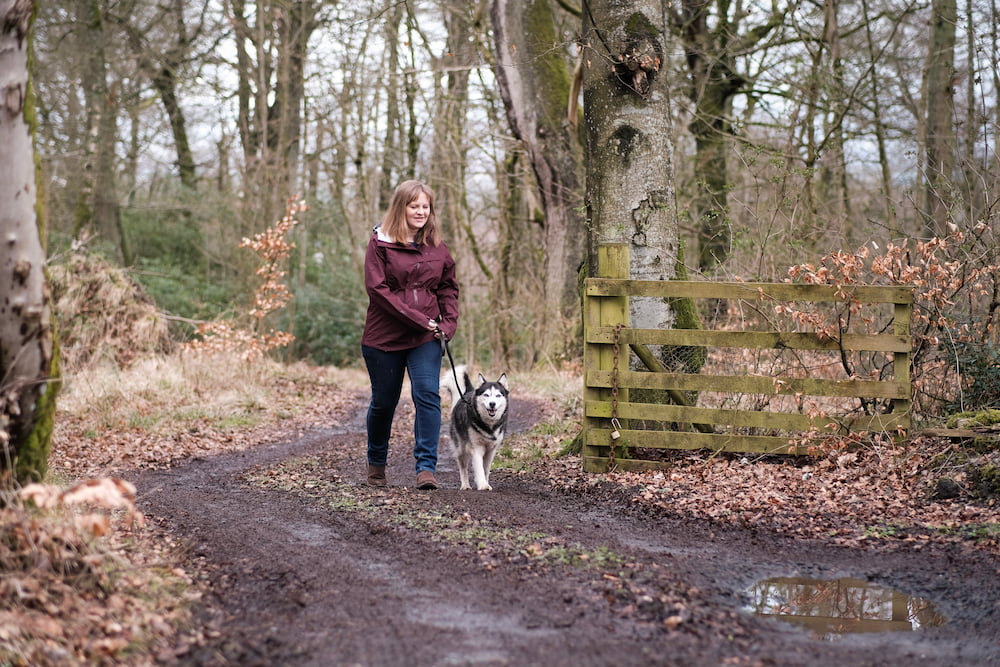
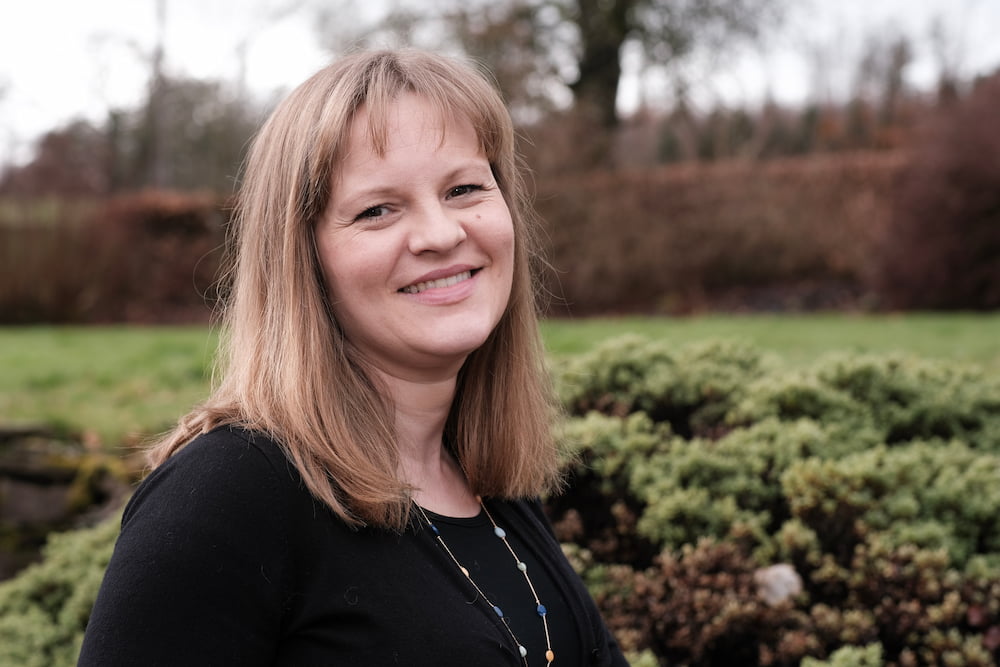
Rebecca in the Scottish countryside
Outside work

The personal stuff

I live in the countryside near Stirling, Scotland, with my partner and two energetic boys. Running my own business while they're small means I'm always making choices about where my time goes, and I think that's made me better at this rather than worse.

I listen to business books on audio, I make things, and I genuinely love this work: sitting with an owner and their team, working out how the business really runs, and finding what needs to change. That moment when someone says "I've never thought about it like that" is why I do this.

Testimonials

What people say

★★★★★

"She 'got the joke' within the first 25 minutes of our first meeting. Rebecca is so easy to work with because she's on the right wavelength all the time."

Founder, Marketing Agency
★★★★★

"You have made a tremendous impact. It's hard to identify a single part of the business that was not affected positively by you in a major way."

CEO, Specialist Marketing Agency